
Threat intelligence transforms raw attack data into actionable defensive strategies, enabling security operations centers (SOCs) to block adversaries before they compromise network boundaries. By analyzing open-source data, collaborating with industry peers, and tracking specific attack artifacts, security teams shift from reactive patching to predictive defense.
Open-Source Intelligence (OSINT) Mechanics
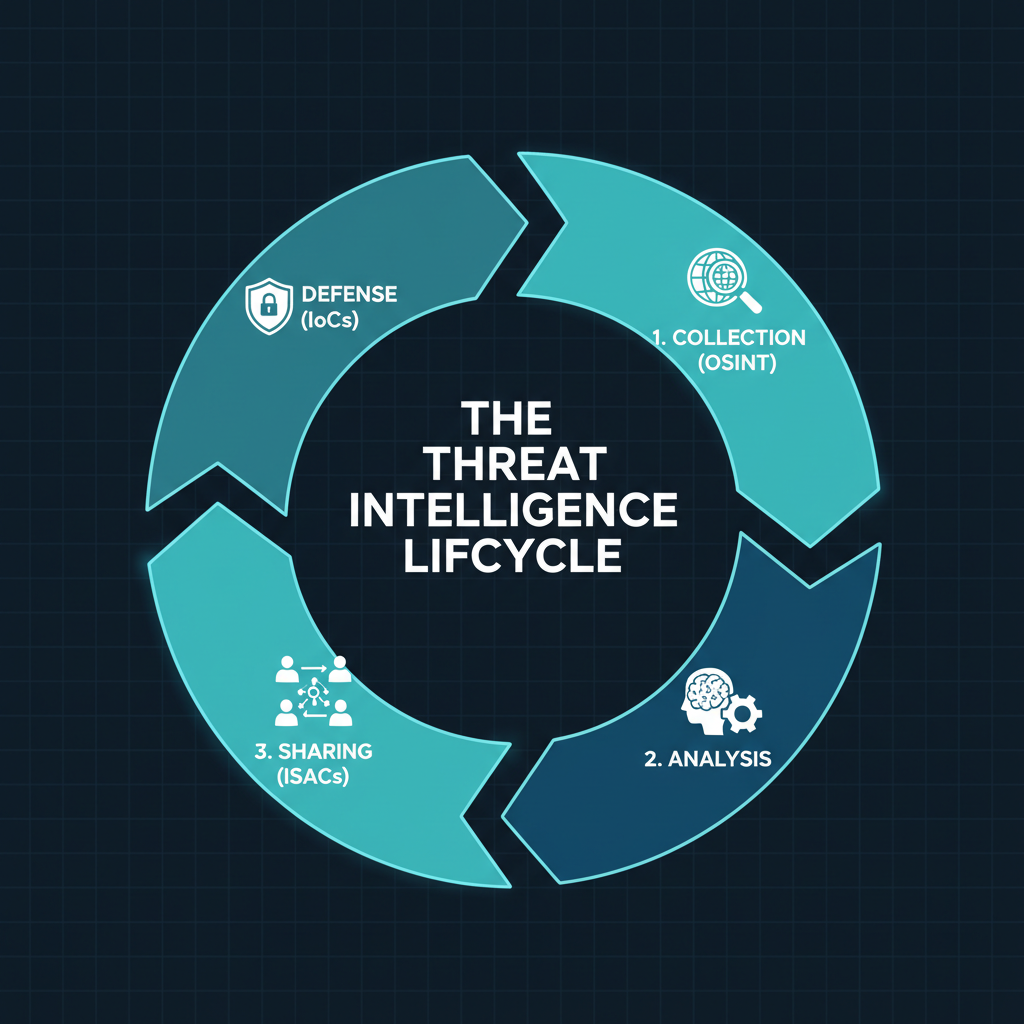
Security analysts leverage Open-Source Intelligence (OSINT) by harvesting data from publicly accessible domains. This intelligence gathering involves querying DNS registries, scanning public code repositories for leaked API keys, and scraping deep web forums for emerging exploit kits. Defenders deploy tools like Shodan to catalog exposed internet-facing assets, directly mapping the exact attack surface an adversary sees. Threat actors simultaneously utilize OSINT to construct targeted spear-phishing campaigns by extracting organizational hierarchies from platforms like LinkedIn.
Information Sharing and Analysis Centers (ISACs)
Information Sharing and Analysis Centers (ISACs) operate as centralized trust nodes where organizations within specific critical infrastructure sectors (e.g., Financial Services via FS-ISAC, Healthcare via H-ISAC) exchange threat data. When a bank detects a novel ransomware variant, it pushes the threat signature to the FS-ISAC. The ISAC immediately distributes this intelligence to all other member banks, immunizing the entire sector against the new campaign.
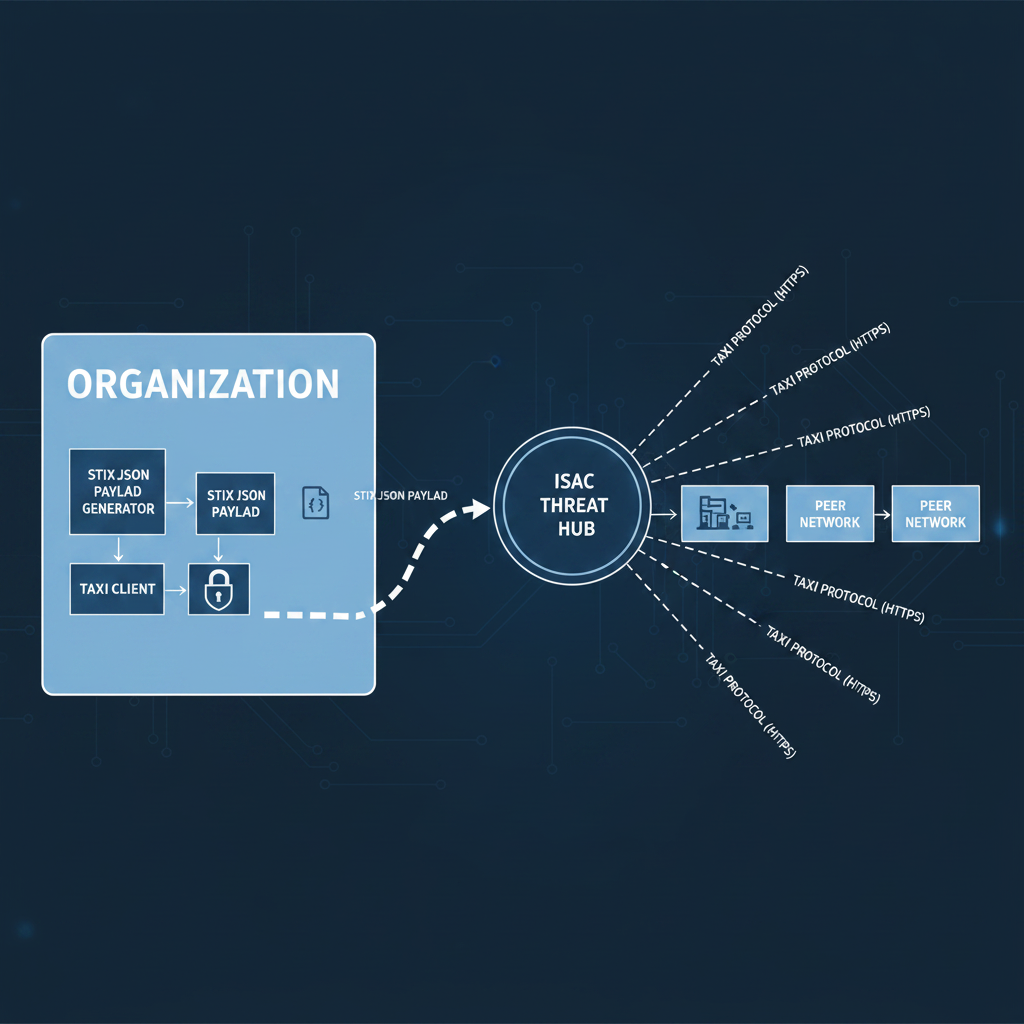
This automated machine-to-machine data exchange relies on two primary frameworks:
- STIX (Structured Threat Information eXpression): A standardized JSON/XML language that defines the “what” of the threat. STIX categorizes threat actors, campaigns, and vulnerabilities using a uniform, machine-readable syntax.
- TAXII (Trusted Automated eXchange of Intelligence Information): The application layer protocol that governs the “how.” TAXII securely transports STIX-formatted payloads over HTTPS between disparate security platforms.
Mastering these specific threat-sharing protocols and intelligence frameworks represents a core competency for professionals studying The Ultimate Guide to CompTIA Security+ (SY0-701) in 2026.
Indicators of Compromise (IoCs)
Indicators of Compromise (IoCs) function as the forensic artifacts—the digital fingerprints—left behind during or after a cyberattack. Firewalls, Intrusion Detection Systems (IDS), and Endpoint Detection and Response (EDR) platforms constantly ingest data feeds populated with IoCs to detect malicious activity in real-time.
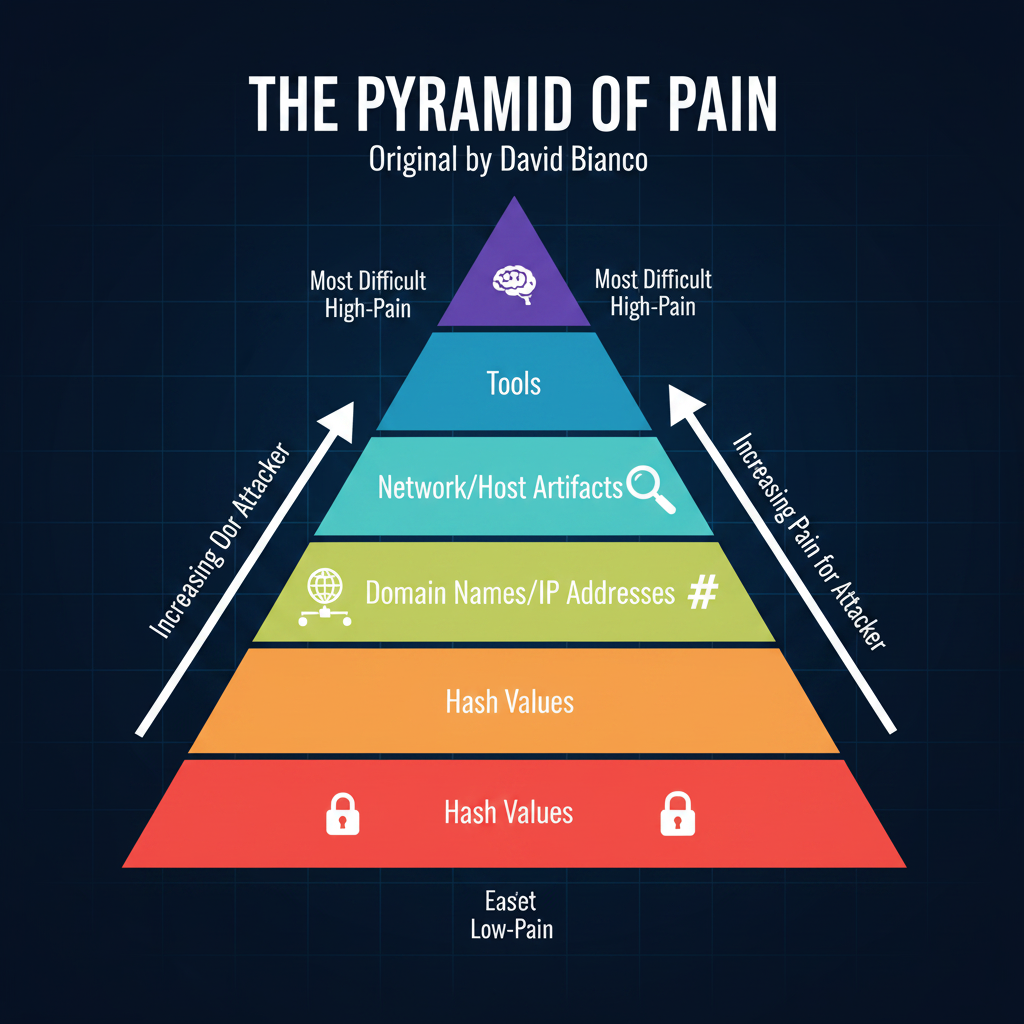
Standard IoCs include:
- File Hashes: Cryptographic signatures (such as SHA-256) of known malware payloads.
- IP Addresses: Network routing locations belonging to active Command and Control (C2) servers.
- Domain Names: Malicious URLs, often created by Domain Generation Algorithms (DGAs), used for data exfiltration.
Security appliances execute immediate actions based on these indicators. Consider how a network intrusion detection system parses traffic against a known IoC:
text
# Example Suricata IDS Rule triggering on a known C2 IP address (IoC)
alert tcp $HOME_NET any -> 198.51.100.45 443 (msg:"ET TROJAN Known C2 Server Traffic"; flow:established,to_server; classtype:trojan-activity; sid:1000001; rev:1;)
If an internal endpoint attempts a TCP connection to the specified IoC (198.51.100.45), the IDS triggers the alert, terminates the flow, and forwards the event log to the SIEM (Security Information and Event Management) system for immediate analyst triage.
Leave a Reply