Category: Server+ (SK0-005)
The CompTIA Server+ (SK0-005) certification validates the hands-on engineering skills required to build, maintain, and secure mission-critical servers across on-premises data centers and hybrid environments. Modern systems administrators and data center engineers must balance physical component management—such as rack power distribution, cooling, and RAID arrays—with advanced hypervisor administration, high-availability clustering, and enterprise backup orchestration.
This resource hub delivers technical reference guides, performance-based question (PBQ) walk-throughs, and systematic hardware diagnostic flowcharts aligned directly with the SK0-005 domains. Explore enterprise storage configurations (SAN/NAS/DAS), server hardening protocols, disaster recovery planning (RTO/RPO), and root-cause troubleshooting workflows designed to ensure you pass the SK0-005 exam and maintain high availability in enterprise production environments.
-

Building a Next-Gen SOC: The Rise of the Agentic AI SOC (Tier 1 Automation)
Agentic Artificial Intelligence (AI) transforms the Security Operations Center (SOC) by autonomously handling Tier 1 triage, investigation, and initial response. This automation frees human analysts to hunt advanced threats and engineer robust security architectures.
-

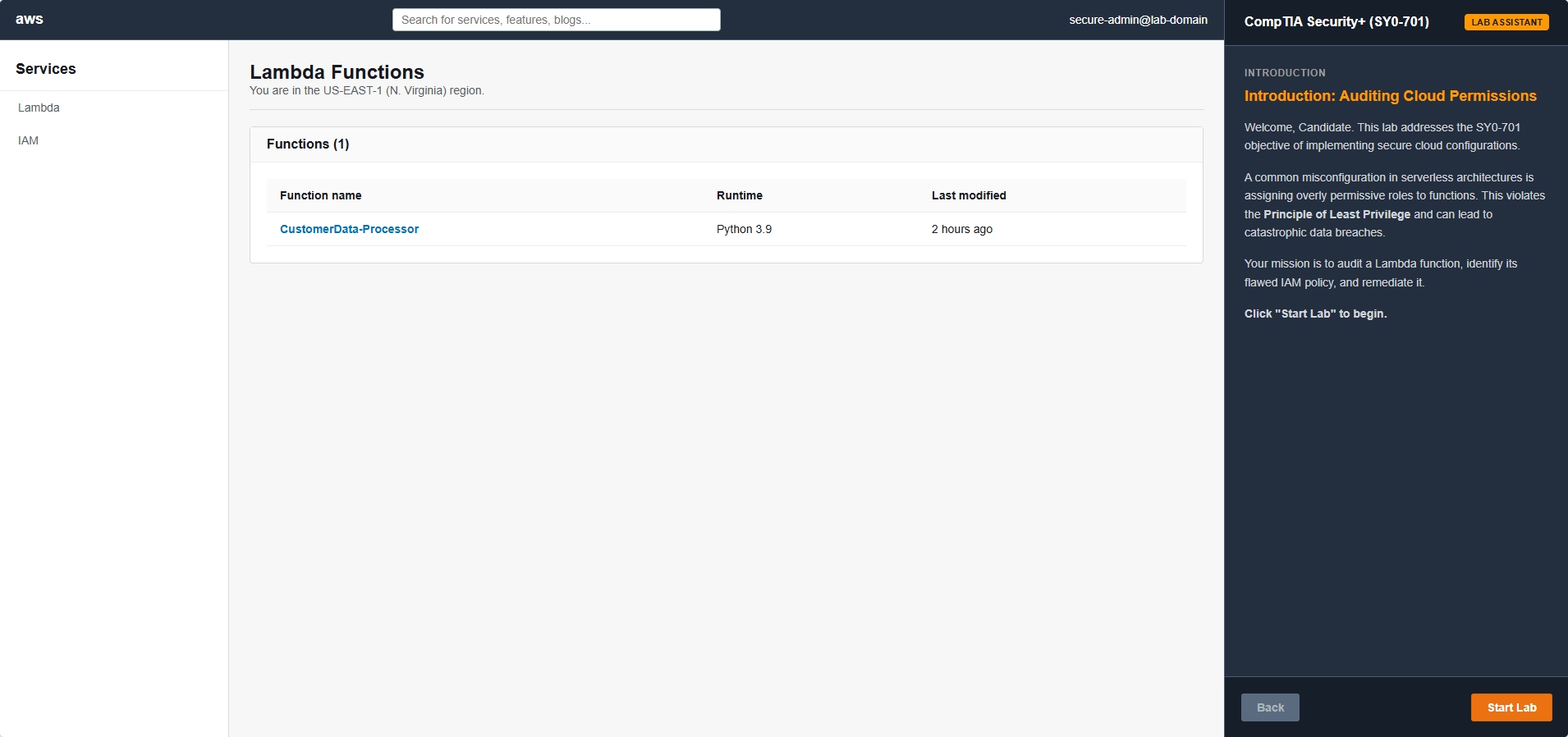
Cloud Security 2026: Managing Sovereign Clouds and Serverless Environments
Cloud security architectures demand strict control over physical data locations and temporary code execution. Security teams manage sovereign clouds to enforce legal data borders and lock down serverless environments to prevent unauthorized access.
-

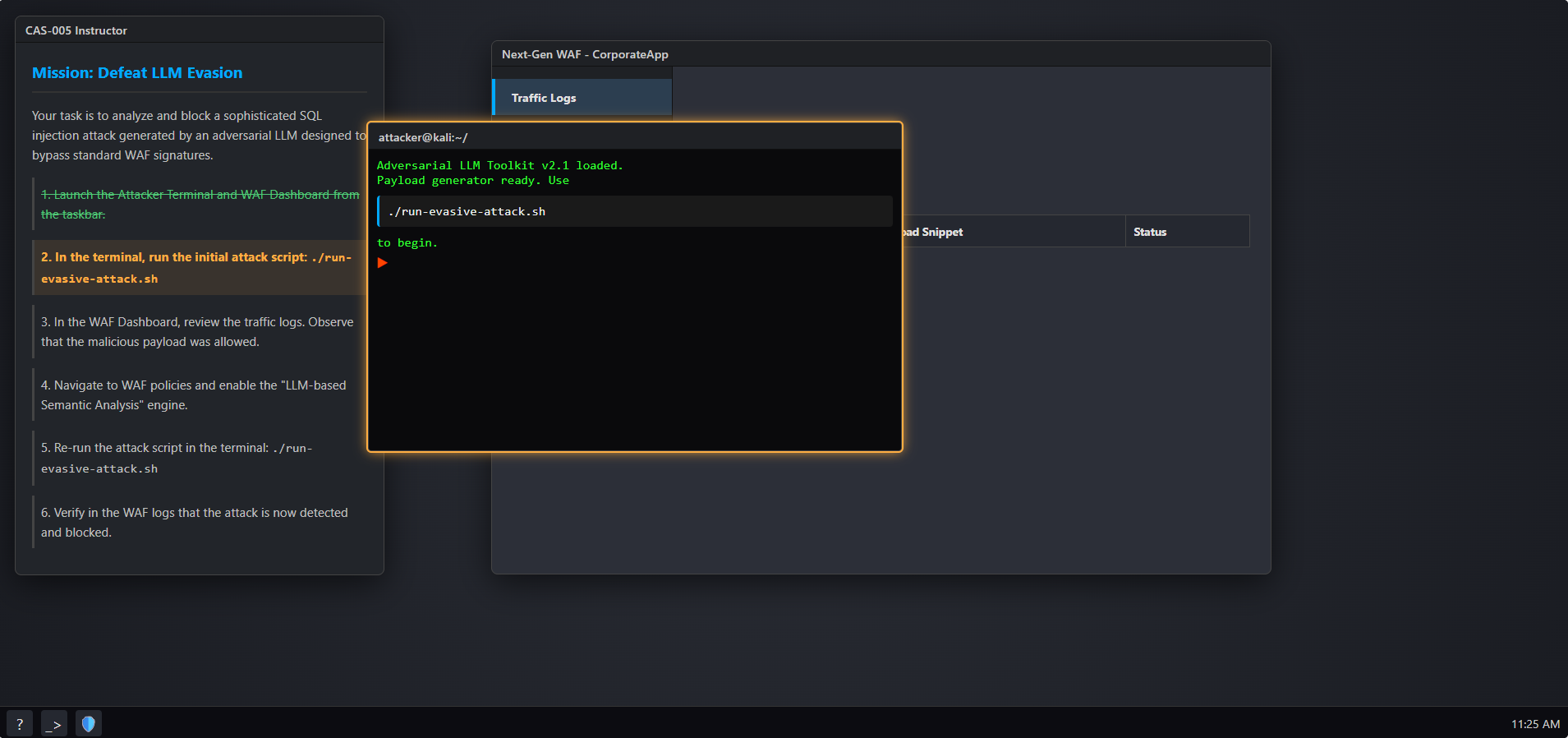
Defending Edge Compute Architecture: WAF Strategies for 5G and IoT Networks
Edge compute architectures decentralize data processing, pushing critical workloads closer to 5G and IoT endpoints to slash latency and conserve bandwidth. Securing this expanded attack surface requires deploying Web Application Firewalls (WAFs) directly at the network edge to inspect, filter, and block malicious HTTP/S and API traffic before it reaches…
-

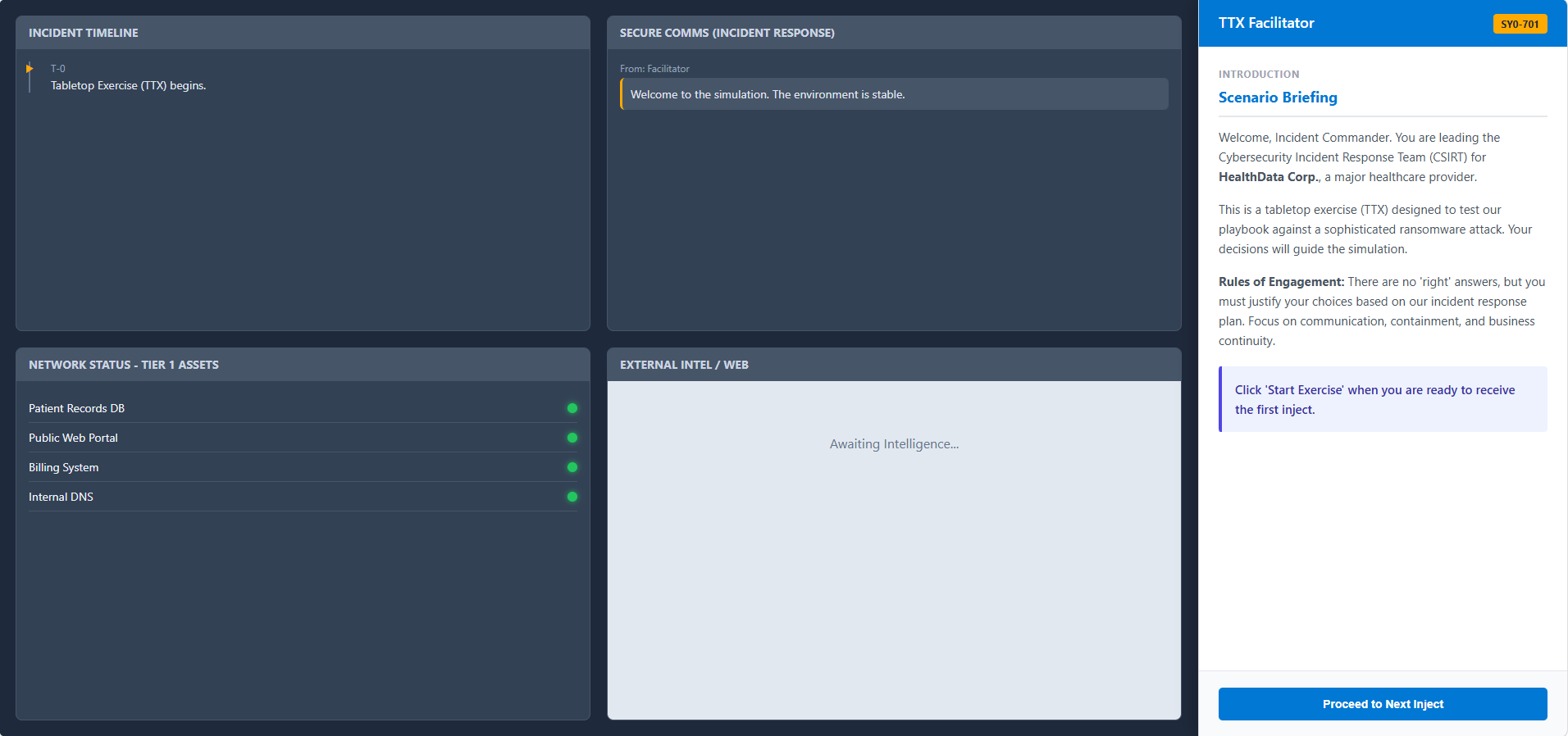
Incident Response Phases: IR in the Age of Automated Extortion
Incident response (IR) phases provide a structured framework to detect, isolate, and eliminate cyber threats before they paralyze operations. As automated extortion tools rapidly deploy ransomware and steal data, security teams rely on this rigorous methodology to survive high-speed attacks.
-

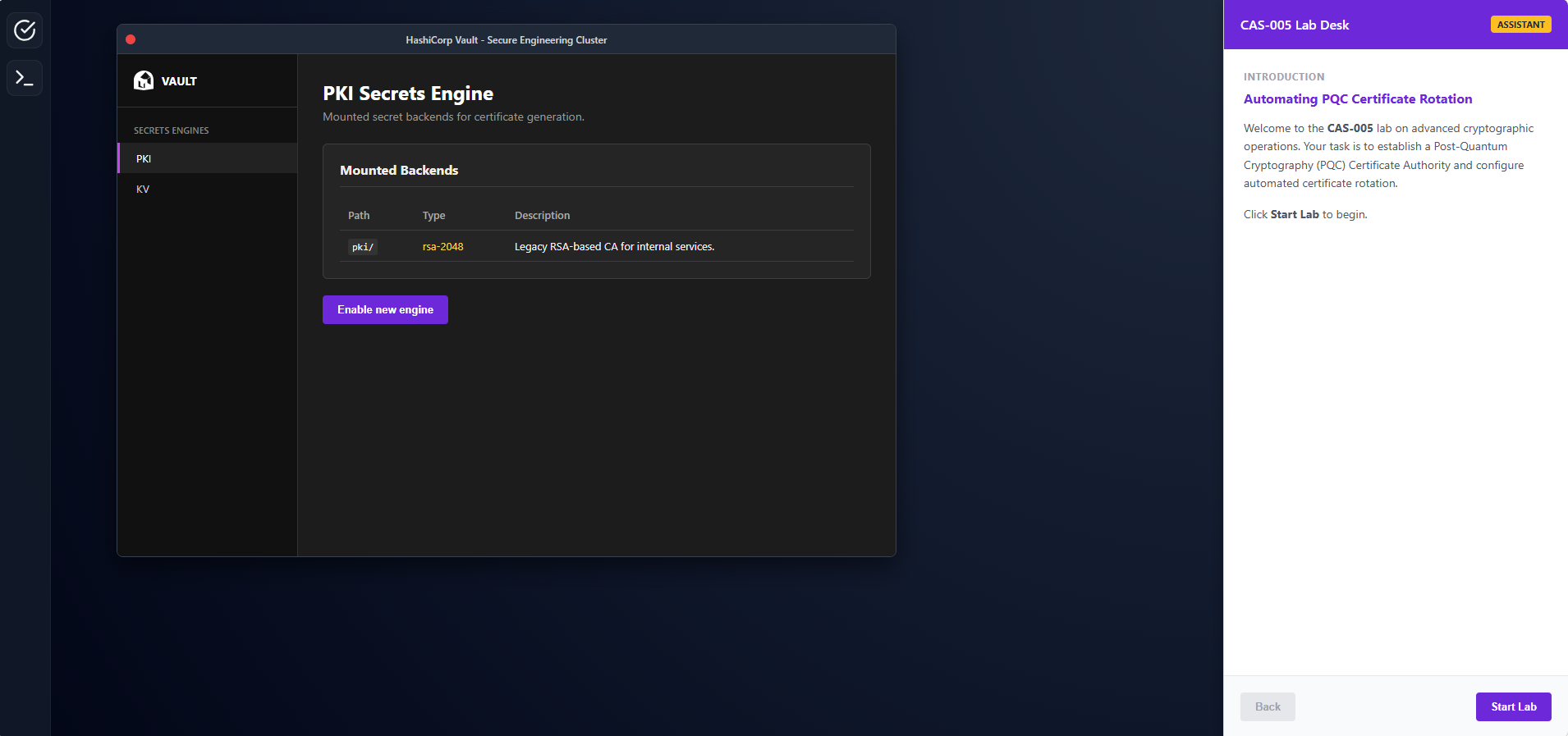
Cryptographic Agility: Executing the Post-Quantum Cryptography (PQC) Migration
Cryptographic agility allows an organization to rapidly replace outdated encryption algorithms with secure ones without breaking underlying systems.